...

End-to-End Solar Farming Project/ Consultation in India

Turn Sunlight Into Sustainable Income

Providing end-to-end support for solar farming

Imagine transforming open land into a reliable, sustainable source of income. Solar farming enables this by capturing sunlight, generating electricity, and selling it to private buyers through long-term contracts. It’s one of the fastest-growing renewable energy investments globally. 

Get a Free Solar Quote

Solar farms generated over 1600 TWh of electricity in 2023. In India, a 1 MW solar farm can produce around 1.5 million units annually, generating ₹40–50 lakhs in revenue depending on tariffs and policies.

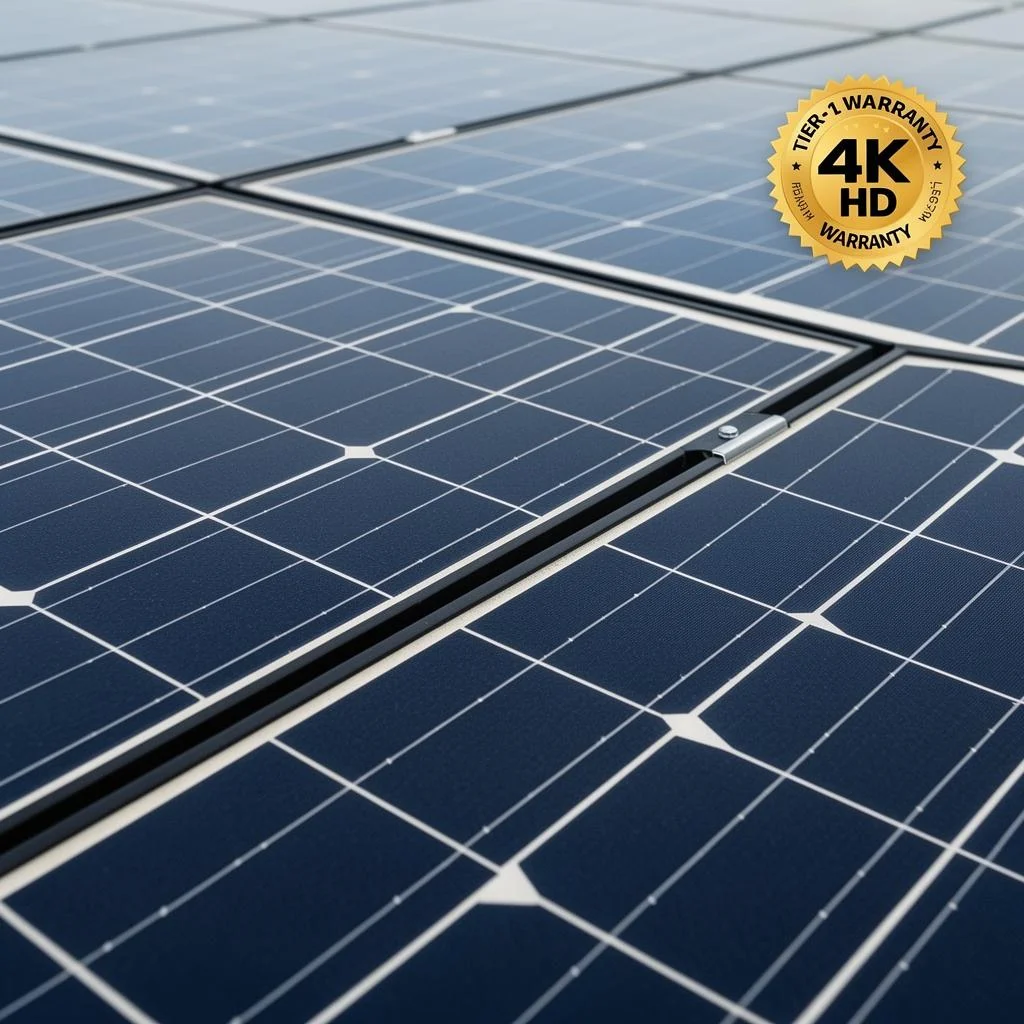
At Green Ocean Solar, we supply high-efficiency Tier-1 solar panels that come with 30-year warranty. Apart from that, we provide complete installation support to help you set up a profitable, compliant, and low-maintenance solar farm. Whether you’re a landowner, investor, or business looking to diversify into renewable energy, we equip your solar farm for long-term returns. 

Solar farming is slowly becoming India’s most reliable, sustainable, and high-return investment opportunity. India is taking rapid strides in solar power adoption. The country’s solar power capacity surged to 129 GW in 2025, up from 3 GW in 2014. As this adoption continues to increase, landowners and farmers are looking beyond traditional real estate and agriculture. They are seeking safe, alternative investments that will enable them to generate a stable income from their land. 

At Green Ocean Solar, we help you design and build large-scale solar power plant projects that transform idle land into high-performing solar assets, generating stable income for 25-30 years.

Whether you are a farmer looking to diversify income, a landowner seeking passive revenue, or a business exploring solar farm investment in India, we provide end-to-end solutions that remove complexity and maximize returns.

Solar Farming Under the PM-KUSUM Scheme

The Pradhan Mantri Kisan Urja Suraksha evam Utthan Mahabhiyan (PM-KUSUM) scheme enables individuals and companies to set up grid-connected solar power plants and sell electricity under long-term Power Purchase Agreements (PPAs). It is designed to promote renewable energy while creating a stable income stream for 25–30 years.

KUSUM Component A

KUSUM Component C

What Is Solar Farming?

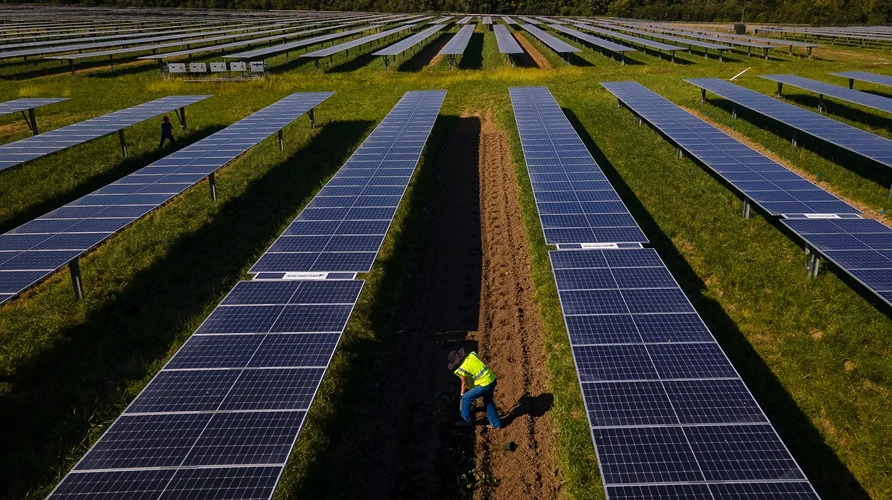
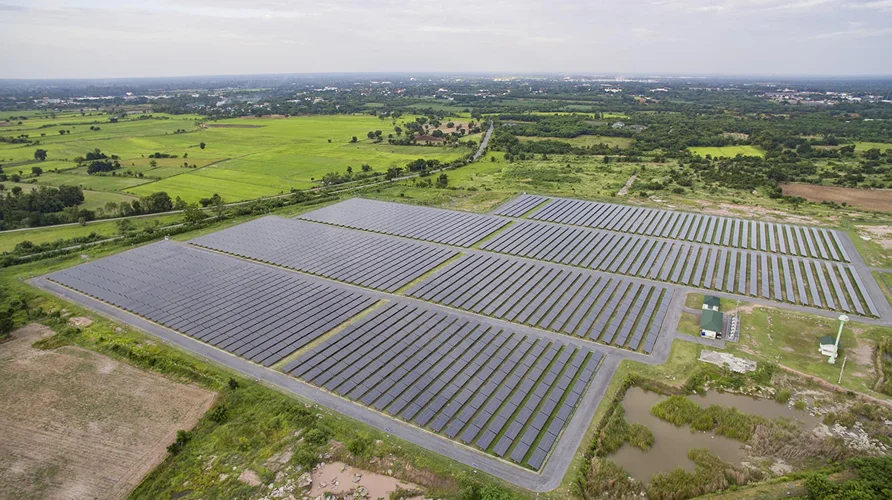
Solar farming in India is a land-based renewable energy project where large arrays of solar panels are installed over acres of land. These panels generate electricity from sunlight. Solar farming reduces carbon emissions and dependence on fossil fuels.

Solar farms can address power shortages, generate employment, and boost the economy. Here’s how solar farming works:

Lease of Land

A landowner provides land for a fixed period (typically 25–30 years).

Power Sold to the Grid

The generated power is either sold to government utilities, private companies, or through Power Purchase Agreements (PPAs).

Installation of Solar Panels

Solar panels are installed at the right angles such that they receive optimum sunlight and generate electricity.

Income Generation

Instead of relying solely on farming or land appreciation, the landowner receives consistent annual payments or a revenue share.

Electricity Generated

Solar panels convert sunlight into clean electricity using photovoltaic technology.

Unlike traditional agriculture, which depends on weather patterns, crop cycles, and market volatility, solar farming provides predictable, inflation-linked, and long-term cash flow. This makes it one of the most attractive forms of land monetisation today.

While solar farming is possible in all parts of India, certain regions are better suited for it, thanks to their climate, geographical location, and the backing of the Government. Madhya Pradesh stands out as one such favourable state for solar farming.

Why is Madhya Pradesh Ideal for Solar Farming?

Madhya Pradesh is a great place for solar farming because of a strong combination of natural, economic, and policy advantages.

The state aims to double its solar energy capacity to 15,000 MW by the end of 2026. Madhya Pradesh also eyes 50% of power from solar by 2030. Here are the reasons why MP is extremely favourable for solar farming:

Reliable Grid & Infrastructure

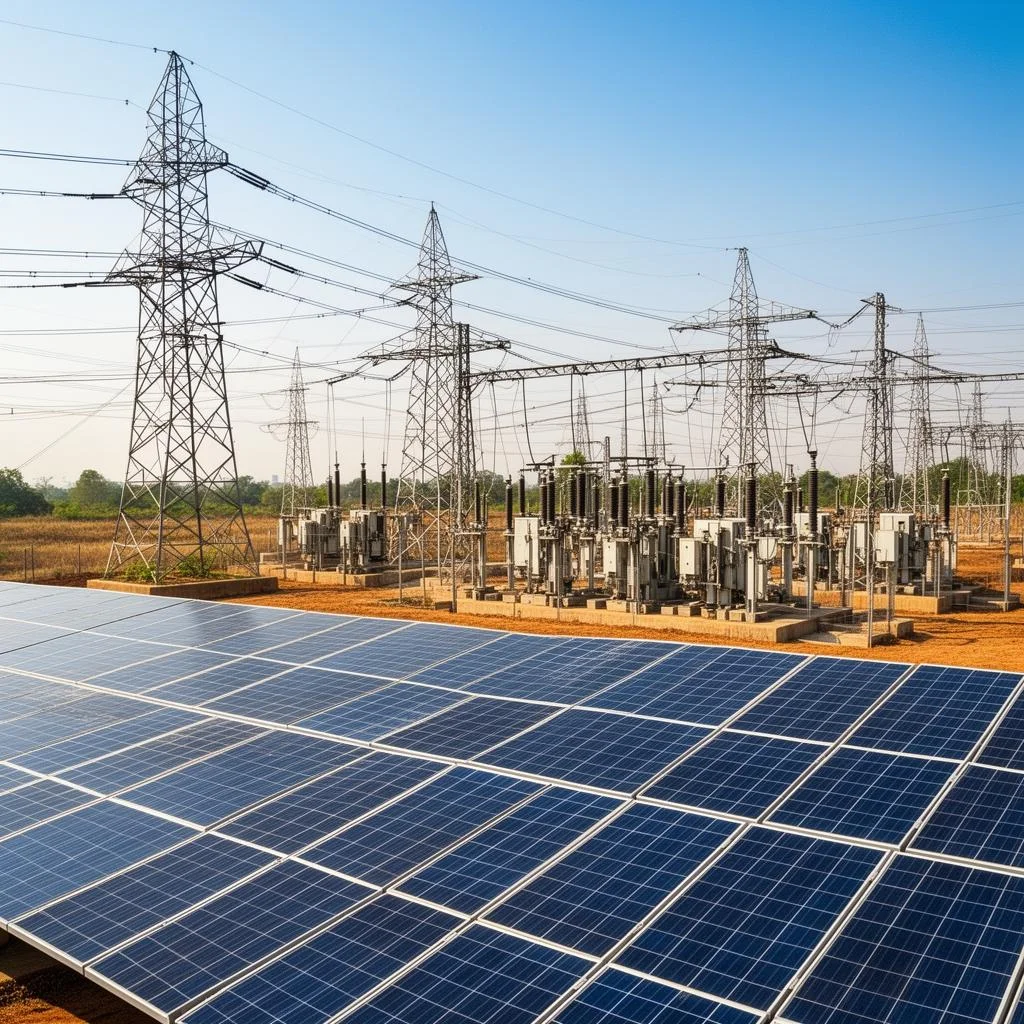
There are well-developed substations and networks. Hence, it’s easier to connect solar plants to the grid. This reduces delays, technical bottlenecks, and project risks for investors setting up a 1 MW or larger solar plant.

Abundant & Suitable Land

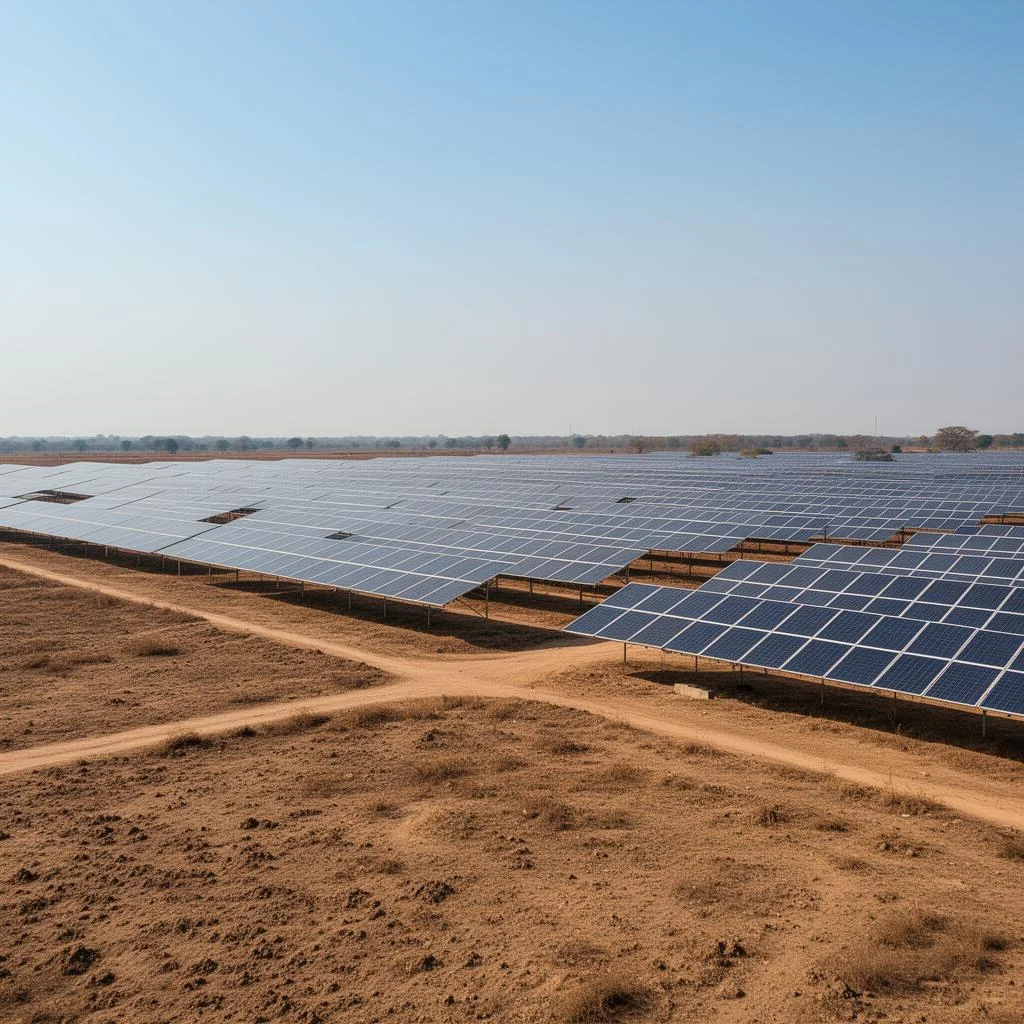
MP has vast stretches of non-agricultural and underutilised land. This makes solar power plant projects more feasible and cost-effective.

Exceptional Solar Potential

More sunlight means higher electricity generation. This improves solar power plant income for investors and landowners.

Better ROI

As land is reasonable and the potential for solar is high, the 1 MW solar power plant in MP can deliver good returns compared to the same land in densely populated areas.

Who Should Invest in Solar Farming?

You’re wrong if you think that solar farming is only for farmers or energy companies. It can be an attractive investment option for a wide range of stakeholders:

Farmers

Farmers can either lease the land or directly invest in a solar plant to supplement their income. Many farmers are now using solar for farming, not just for irrigation but as a new revenue stream.
Landowners

If you own unused or low-yield land, solar farming allows you to convert it into an income-generating asset without selling it.

High Net Worth Individuals

For investors looking for stable, long-term, low-risk returns, solar farm investment in India offers a compelling alternative to real estate or equities.
Businesses with Surplus Land

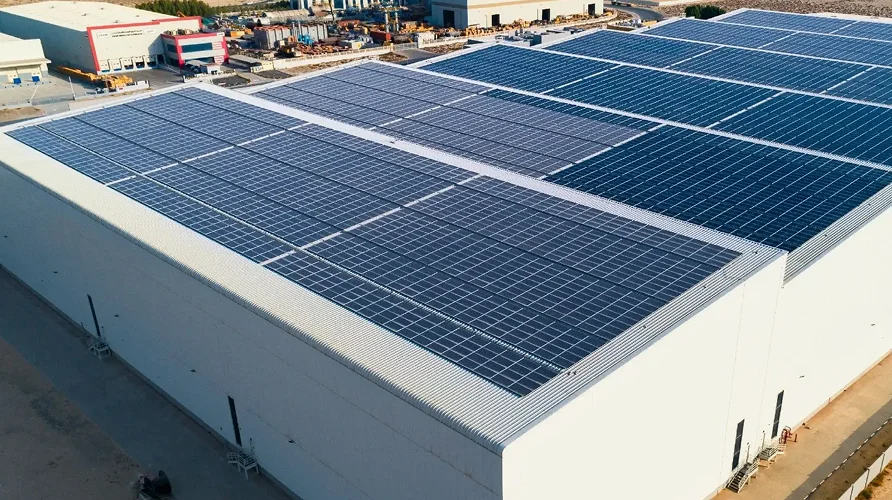
Industries, warehouses, and commercial landowners can turn barren land into profitable income if they establish a solar park.
Cost of Setting Up a Solar Power Plant in India

The 1 MW solar power plant in India costs between ₹3.5 – ₹4.5 crore. This cost covers the cost of solar panels, inverters, and electrical systems, mounting structures, civil and structural work, grid connection infrastructure and engineering, design, and statutory approvals. The final cost also depends on project location, land conditions, technology selection, grid connectivity, and regulatory requirements. 

In Madhya Pradesh, a 1 MW plant can generate approximately 13–16 lakh units (kWh) annually, subject to sunlight levels and plant efficiency. It requires 4-5 acres of land to build a 1 MW solar power plant. 

Why Choose Green Ocean Solar for Solar Farming?

How Green Ocean Solar Works With You?

Step 1
Initial Consultation

We first understand your land details, investment goals, and all expectations from the project.

Step 1
Step 2
Site Feasibility Study

Our technical team evaluates solar irradiation, land suitability, grid connectivity, and regulatory requirements to confirm viability.

Step 2
Step 3
Financial Planning

We provide clear insights about the cost of setting up a solar power plant, projected solar power plant income, expected electricity generation, and financing options.

Step 3
Step 4
Design & Engineering

Our experts develop an optimized plant layout using Tier-1 solar farm panels for maximum efficiency.

Step 4
Step 5
Installation

We execute complete EPC services, ensuring timely commissioning.

Step 5
Step 6
Ongoing Support

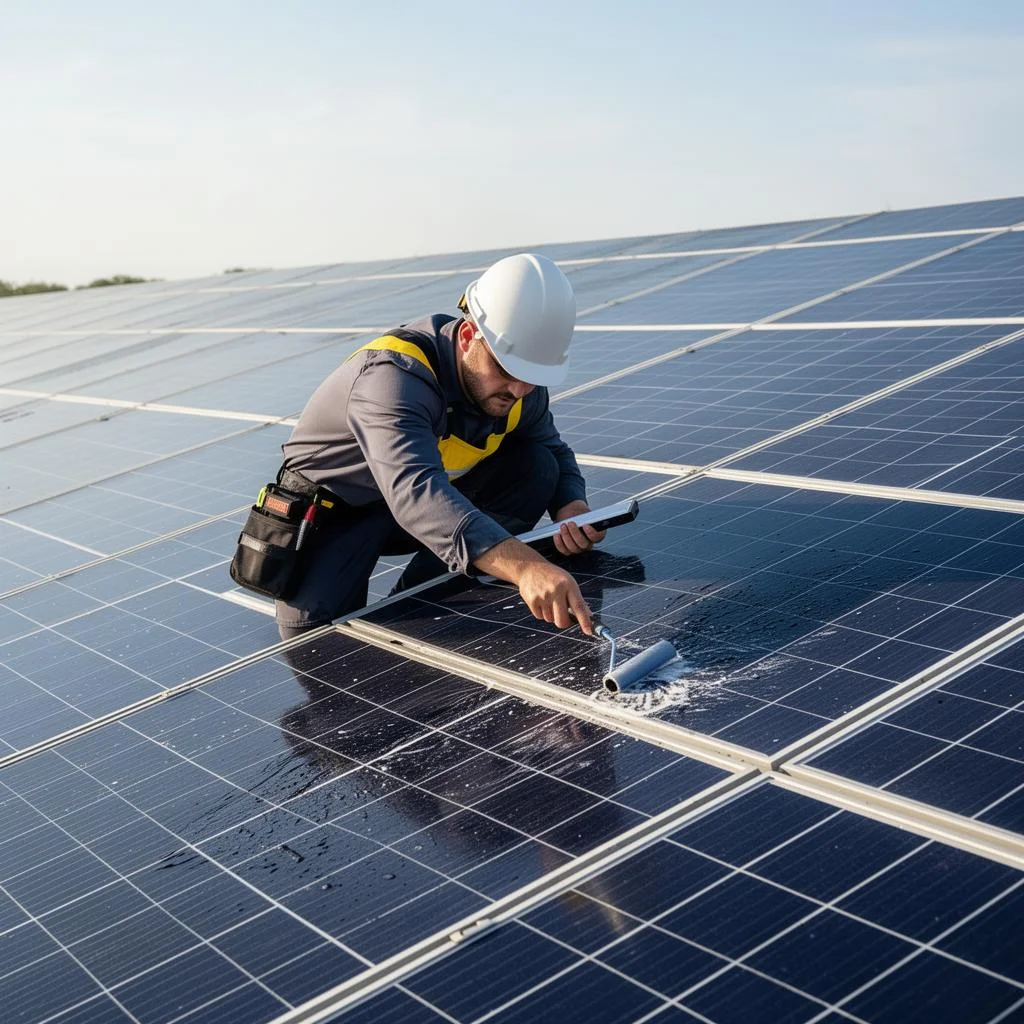
From monitoring to maintenance, we ensure consistent performance for over 25-30 years.

Step 6

Get Started Today

If you own land in India and are considering solar farming, now is the right time to act. With rising energy demand, favorable policies, and proven technology, solar farming is the future of land monetization.

Request a Solar Farm Project Consultation.

Take the first step towards building a revenue-generating solar asset. Get a comprehensive land feasibility study, project cost estimation, grid connectivity analysis, and long term ROI Projection tailored to your location.

Schedule a Free Consultation
Seraphinite AcceleratorOptimized by Seraphinite Accelerator
Turns on site high speed to be attractive for people and search engines.